Remodel cost segregation
Remodeled your rental? Write off what came out.
The old kitchen still carries basis after it is gone. A partial disposition writes it off in the year of the remodel, and a study gives every removed part its own cost so you can.
One house, before, during, and after its remodel
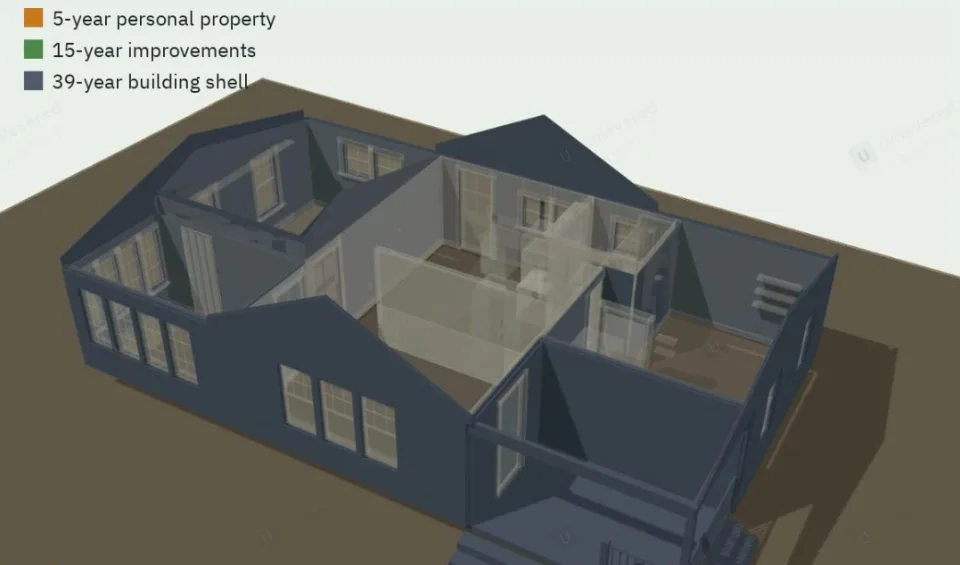
Before Every part priced by class life: 5-year, 15-year, and the building shell. 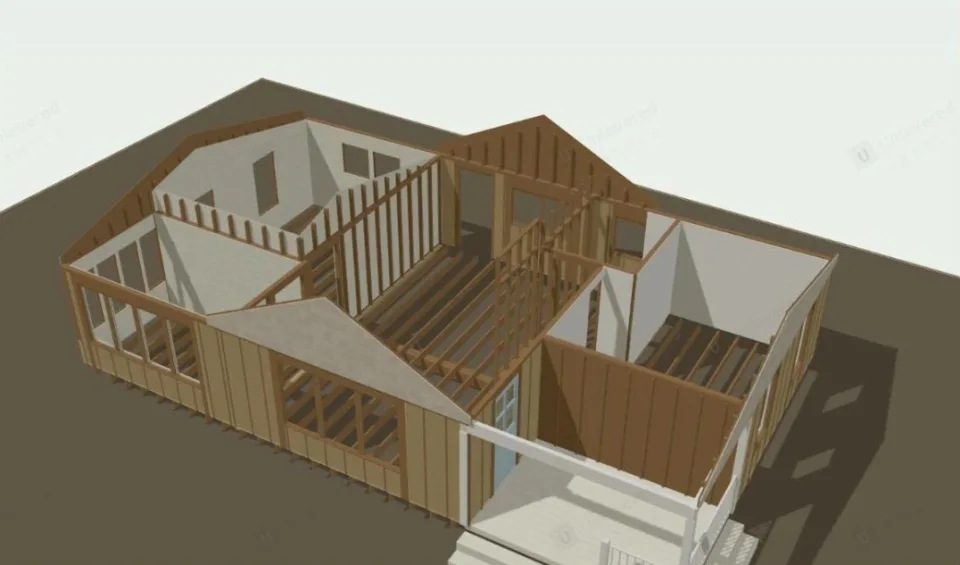
During What came out: the parts the remodel removed, down to the framing. 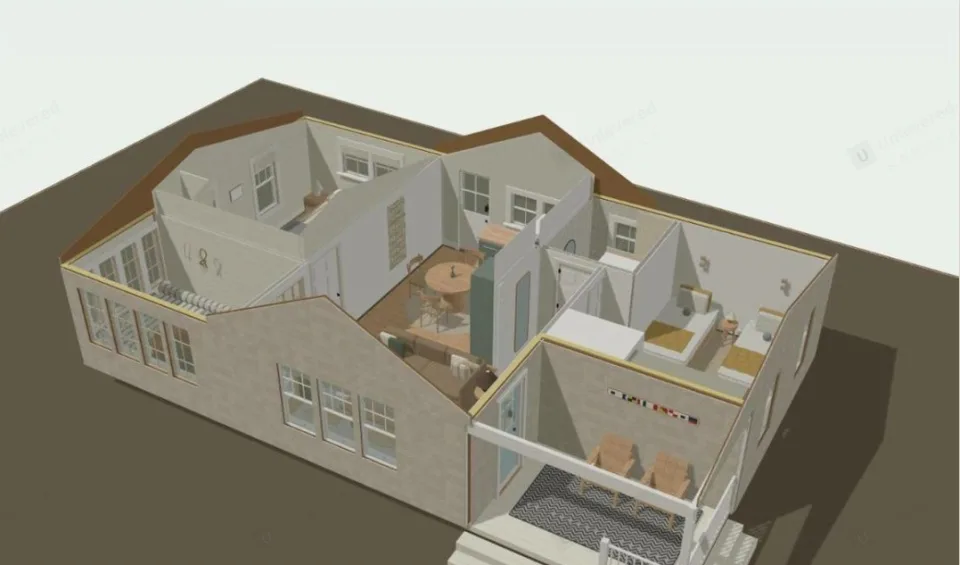
After What went in: every new part tagged, priced, and classified.
The Salt House, a sample study built from a real remodeled rental with its owner details removed. Open the study
The remodel, in numbers
Each remodeled area of the Salt House and the basis written off for what came out of it. Figures are read from the published study.
- Kitchen and dining$63,855
- Bathroom$30,004
- Rear yard, deck and outdoor shower$14,752
- Guest / kids bedroom$13,650
- Primary bedroom$13,211
- Living room$11,836
- Enclosed sunroom / office$7,008
- Property-Wide$6,520
On Timber Ridge at Sea Ranch, a second sample study, the remodel wrote off $268,845 of removed parts. Read that study
How a remodel becomes a deduction
- 01
Price the house as it was
The study rebuilds the house before the remodel and prices every part in its class: 5-year personal property, 15-year improvements, and the building shell. That gives each part its own basis.
- 02
Find what came out
Before and after photos, receipts, and permits show which parts the remodel removed. Each removed part is matched to its line in the original house, room by room.
- 03
Write off the remaining basis
The basis left in each removed part, after the depreciation it already took, is a loss in the year it came out. The election rides on that year's return, filed on time.
- 04
Classify what went in
The new kitchen is priced part by part too. Appliances and cabinets that qualify go to 5-year, interior improvements can be 15-year qualified improvement property, and each can take bonus depreciation.
Remodeled this year or last? The election rides on that year’s return.
Request a studyFrom your photos to the model
Owners rarely keep a list of everything a remodel changed. Your before and after photos are enough: we find what changed in each room and price it.
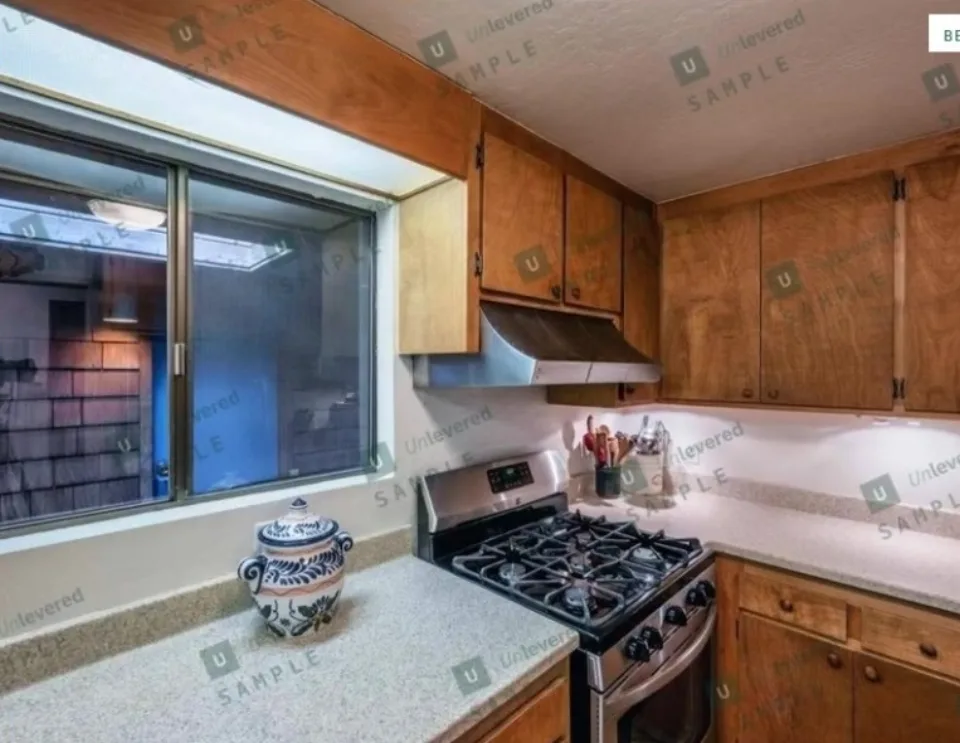
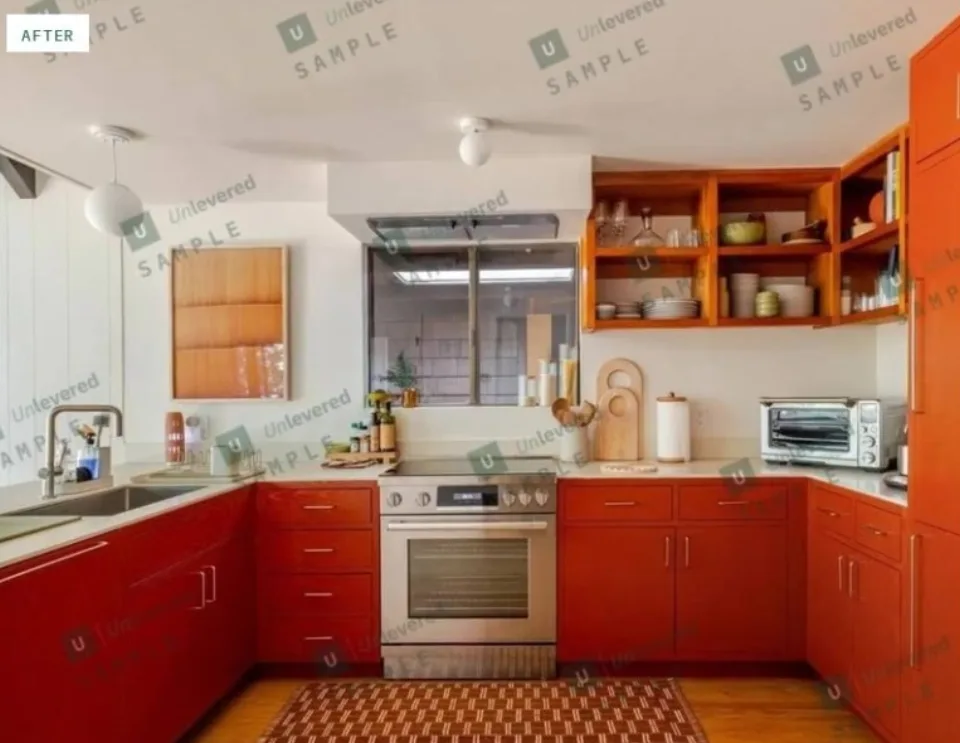
The kitchen remodel at Timber Ridge, a sample study.
Common questions
- Can I write off the old kitchen when I remodel a rental?
- When a remodel removes part of a rental (an old kitchen, a bathroom, a deck), the basis still sitting in that part can come off the books as a loss in the year it is removed. This is a partial disposition under Treas. Reg. §1.168(i)-8. Without it, the old kitchen keeps depreciating for decades beside the new one. The catch is that the removed part needs its own basis, and a house bought as one 27.5- or 39-year building has none. Cost segregation supplies it: it prices each part of the house, so the parts a remodel takes out can be written off and the parts it puts in can be placed in their own, shorter classes.
- What is a partial disposition?
- A partial disposition is the election in Treas. Reg. §1.168(i)-8(d) to treat a removed portion of a building, such as a roof, a kitchen, or a bathroom, as disposed of. You recognize a loss for its remaining basis in the year it is removed, instead of continuing to depreciate a part that no longer exists.
- Do I need a cost segregation study to take a partial disposition?
- You need a supportable basis for the part you removed. The regulations allow any reasonable method, and a cost segregation study is the most defensible one because it prices the specific parts of your house from its own records. Without a study, the removed kitchen is buried inside one building number with no cost of its own.
- When do I have to make the election?
- On the return for the year the part was removed, filed on time including extensions. That is why it pays to have the study done for the remodel year. Your CPA confirms the timing for your facts.
- What if I remodeled before I started renting the house?
- Work done before the property was placed in service is not a disposition: it becomes part of the starting basis instead. The study still prices it part by part, so the new components can sit in shorter classes from day one.
- Does a partial disposition increase recapture when I sell?
- It removes basis that would otherwise have kept depreciating, so it does not add depreciation for those parts going forward. Recapture on sale depends on the depreciation actually taken. Your CPA weighs both before you rely on the figure.
This is not tax advice. A partial disposition is an election your CPA makes on the return for the remodel year; the study supplies the basis behind it.
Don’t keep depreciating a kitchen you tore out.
Send the address and your before and after photos. We rebuild the house as it was and as it is, and price both.
Write off what your remodel removed.
Request a study